Bookkeeping for Small Businesses: What It Is and Why It Matters
●08-07-2026 ●
Running a small business means keeping track of a lot at once. Clients, invoices, expenses, payments, taxes, and everyday decisions all compete for your attention.
Bookkeeping helps bring order to the financial side of your business. It gives you a clear picture of where your money comes from, where it goes, and how your business is actually performing.
And no, bookkeeping is not something you should think about only when tax season arrives.
What Is Bookkeeping?
Bookkeeping is the process of recording and organizing your business's financial transactions.
Every time your business receives a payment, pays a bill, purchases supplies, or covers another business expense, that transaction becomes part of your financial records.
Good bookkeeping keeps those records accurate, organized, and up to date.
Think of it as the financial history of your business. When that history is complete and organized, it becomes much easier to understand what is happening with your money.
What Does Small Business Bookkeeping Include?
Bookkeeping can look different depending on the type and size of a business, but it commonly includes:
- Recording income and expenses
- Categorizing business transactions
- Reconciling bank and credit card accounts
- Tracking invoices and customer payments
- Keeping records of bills and business expenses
- Organizing financial documents
- Preparing financial reports
The goal is simple: your financial records should reflect what is actually happening in your business.
Why Good Bookkeeping Matters
It is easy to think bookkeeping is mostly about taxes. Taxes are important, but organized books can help you throughout the entire year.
You Know Where Your Business Stands
Revenue alone does not tell you whether your business is doing well.
You may have money coming in every month while expenses are growing just as quickly. Accurate records help you understand your income, expenses, and overall financial position.
Instead of guessing how the business is doing, you can look at the numbers.
Tax Preparation Becomes Easier
Tax season becomes much more stressful when an entire year of transactions has to be sorted at once.
Organized bookkeeping makes it easier to identify income and business expenses and provide accurate information when preparing your tax return.
It can also reduce the risk of missing deductible expenses simply because a receipt or transaction was forgotten.
You Can Make Better Business Decisions
Should you increase your prices? Can you afford a new employee? Are certain expenses becoming too high? Is the business actually more profitable than it was last year?
Those decisions are much easier to make when you have reliable financial information.
Good bookkeeping turns your numbers into useful information, not just records stored for tax season.
5 Signs Your Bookkeeping Needs Attention
Sometimes bookkeeping problems build slowly. Everything may seem fine until you suddenly need accurate financial information.
Here are a few warning signs:
1. You are not sure how much your business actually makes.
You know how much money comes into the account, but you are less certain about expenses and profit.
2. Business and personal expenses are mixed together.
This makes transactions harder to categorize and creates unnecessary work when preparing financial records.
3. Your accounts have not been reconciled recently.
Regular reconciliation helps identify missing transactions, duplicates, errors, and other discrepancies.
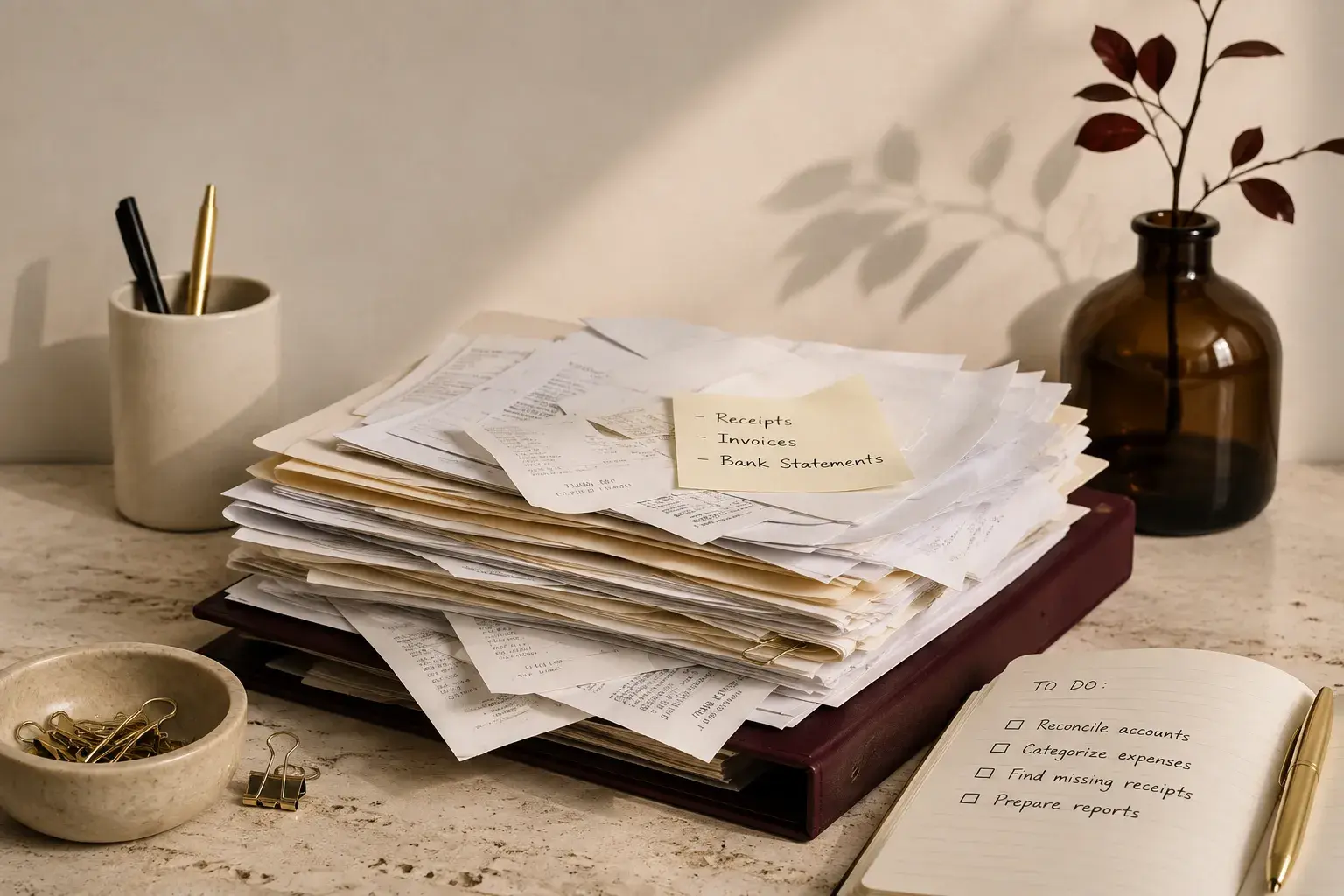
4. Receipts and financial documents are everywhere.
Some are in email, some are on your phone, and others may be sitting in a drawer waiting for tax season.
5. Tax season becomes a yearly emergency.
If every filing season starts with searching for documents and trying to remember transactions from months ago, your bookkeeping system probably needs improvement.
How Often Should Bookkeeping Be Done?
Bookkeeping works best when it is done consistently.
Waiting until the end of the year can mean sorting through hundreds or even thousands of transactions at once. It also makes it harder to remember what certain purchases were for.
Regular bookkeeping, often monthly for small businesses, keeps records manageable and gives you a more current view of your finances.
It also means problems can be found earlier, instead of months later when they are harder to correct.
Bookkeeping and Tax Preparation Work Together
Bookkeeping and tax preparation are different services, but they are closely connected.
Bookkeeping organizes the financial activity that happened throughout the year. Tax preparation uses that information, along with other tax documents, to prepare an accurate return.
When the books are clean and current, tax preparation is usually much smoother.
When the books are incomplete, tax season can turn into a process of reconstructing an entire year of business activity.
That is why good tax preparation often starts long before a tax return is filed.
Keep Your Business Finances Organized Year-Round
You do not need to wait until tax season to understand your business finances.
Consistent bookkeeping can help you stay organized, understand your numbers, prepare for taxes, and make financial decisions with more confidence.
As your business grows, keeping accurate records becomes even more important.
Need help keeping your books organized? TaxSpace Accounting provides bookkeeping and tax support for small businesses, helping you keep your financial records accurate and ready when you need them.
You May Also Like
