
7 Tax Mistakes That Can Cost You Money
●08-07-2026 ●
Tax mistakes don’t always look serious at first. A missing form, incorrect filing status, or overlooked source of income can lead to processing delays, a smaller refund, additional tax, or an unexpected IRS notice.
The good news is that many common tax mistakes can be avoided with careful preparation. Here are seven issues taxpayers should watch for when preparing and filing a federal tax return.
1. Choosing the Wrong Filing Status
Your filing status affects your tax rates, standard deduction, and eligibility for certain tax benefits. Choosing the wrong status can change the amount of tax you owe or the refund you receive.
This can become especially important after major life changes such as marriage, divorce, or changes in your household.
Tip: Review your filing status each year instead of assuming it should remain the same.
2. Forgetting to Report All Income
Income can come from more places than a traditional W-2 job. Freelance work, side gigs, investment income, interest, and other sources may also need to be reported.
One common mistake is assuming that income does not need to be reported simply because a tax form was not received. Missing taxable income can result in additional tax, penalties, or interest.
Tip: Gather your W-2s, 1099s, and other income records before preparing your return.
3. Missing Valuable Deductions or Credits
Tax deductions and credits can reduce your tax liability, but determining eligibility isn't always straightforward.
Depending on your situation, available tax benefits may relate to children and dependents, education, business expenses, retirement contributions, and other qualifying expenses.
The IRS specifically lists incorrectly calculating credits and deductions among common tax-return mistakes.
Tip: Don’t assume your eligibility based only on what happened on last year’s return.
4. Entering Incorrect Personal Information
A small typo can create a surprisingly large headache.
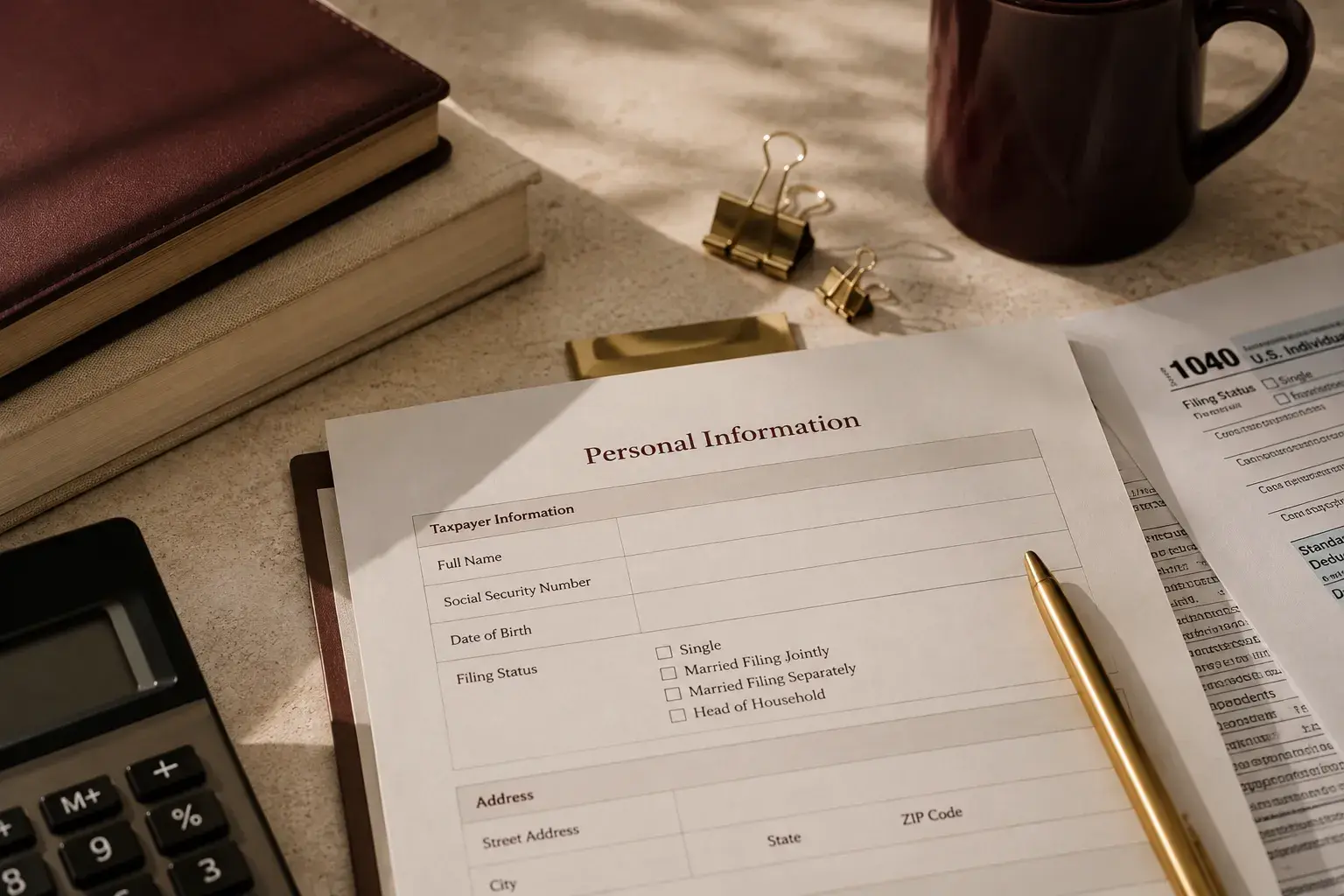
Names and Social Security numbers should match official records. Incorrect taxpayer information can cause a return to be rejected or delay processing. Bank routing and account numbers should also be checked carefully when requesting direct deposit.
Tip: Double-check names, Social Security numbers, dependent information, and banking details before submitting your return.
5. Filing Before You Have All Your Tax Documents
Filing early can sound like a good idea, but filing too early can create problems.
If you submit your return before receiving all necessary tax documents, you may discover later that information was missing or incorrect. The IRS specifically recommends waiting until you have all your tax reporting documents before filing.
Tip: Create a checklist of expected tax documents and make sure everything has arrived before filing.
6. Keeping Poor Tax Records
Good recordkeeping isn't only important during tax season.
Documents supporting income, deductions, credits, and business expenses can become important if questions arise later. Keeping organized records also makes future tax preparation easier and can help prevent legitimate deductions from being overlooked.
The IRS recommends keeping copies of tax returns and the records supporting items reported on them.
Tip: Keep your tax documents organized throughout the year rather than trying to reconstruct everything at filing time.
7. Waiting Until Tax Season to Think About Taxes
Taxes shouldn't always be treated as a once-a-year task.
Changes in income, self-employment, business activity, investments, or major life events can affect your tax situation long before it's time to file a return.
Reviewing your situation during the year can give you more time to organize records, evaluate withholding or estimated payments, and prepare for potential tax obligations.
Tip: Consider a mid-year or year-end tax review, especially when your income or financial situation has changed.
A Little Preparation Can Prevent Bigger Problems
Many tax mistakes are preventable. Accurate information, complete documentation, good recordkeeping, and reviewing your return before filing can help reduce unnecessary delays and surprises.
If you discover a significant error after filing, such as an incorrect filing status, income, deduction, credit, or tax liability, you may need to file an amended return.
TaxSpace Accounting can help you review your tax situation, prepare accurate returns, and identify issues before they become bigger problems.
Need help with your taxes? Contact TaxSpace Accounting to discuss your situation.
You May Also Like
